
The Hittite Law Code and Genesis 23

The Hittite Law Code and Genesis 23
A Remarkable Parallel
Did the Bible Get It Wrong? — The Hittite Controversy
In the late 19th century, a bold claim circulated among biblical critics:
At the time, the Hittites appeared only in the Bible with no external archaeological evidence. Since they are mentioned dozens of times across Genesis, Exodus, Joshua, and Kings, denying their existence was a powerful attack on the historical reliability of Scripture as a whole.
The Hittites Were Real
Archaeology answered the critics decisively.
The Hittites had been a great empire flourishing from around 1650 to 1200 BC across Anatolia. They were a party to the Treaty of Kadesh (1259 BC) with Egyptian Pharaoh Ramesses II — the earliest known international peace treaty in history, a copy of which is displayed at the United Nations headquarters. The critics were wrong. The Bible was right.
The Hittite Law Code and Genesis 23
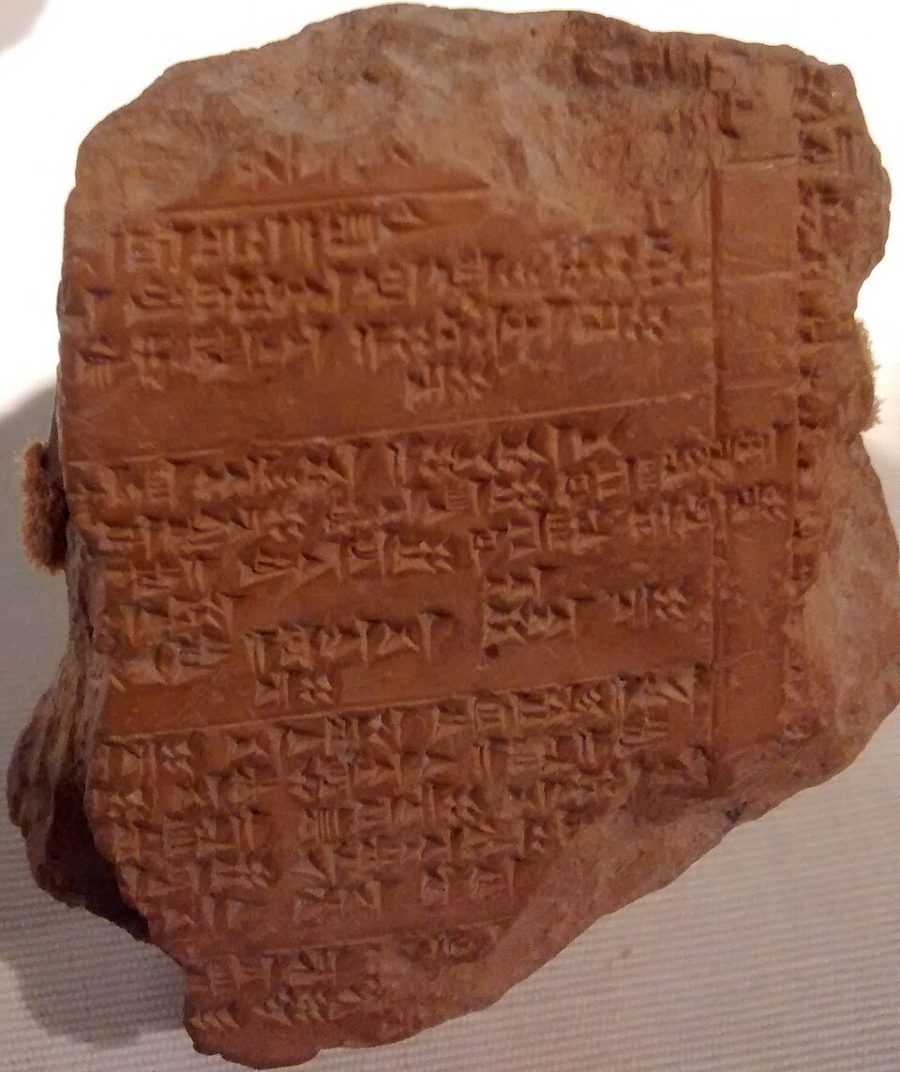
Among the tablets recovered at Hattusa was the Hittite Law Code — approximately 200 statutes covering civil, criminal, and commercial law. When scholars compared its land-transaction laws with Genesis 23, the parallels were striking.

| # | Hittite Law / Custom | Genesis 23 |
|---|---|---|
| ① | Land transactions conducted publicly at the city gate, before witnesses | “In the hearing of all who went in at the gate” (vv. 10, 18) |
| ② | Purchasing the whole field transfers all feudal obligations to the buyer (§46) | Abraham insists on buying the whole field, not just the cave → full legal title (v. 13) |
| ③ | Payment in weighed silver using the merchant’s standard | “At the going rate among merchants” — 400 shekels of silver (v. 16) |
| ④ | Trees explicitly enumerated in land sale documents | “The field and the cave and all the trees” transferred to Abraham (v. 17) |
| ⑤ | Negotiations open with a nominal gift offer — actually a commercial transaction | Ephron: “I give you the field” → ultimately demands 400 shekels (vv. 11–15) |
The “Gift Offer → Actual Sale” Pattern
Ephron’s behaviour may seem inconsistent — he offers the land as a gift, then names a price. But this was a well-established negotiating convention across the ancient Near East. Direct commercial transactions were seen as undignified, so the accepted sequence was: offer a gift → buyer insists on paying → price is discussed.
Hittite land sale documents routinely use the verb “give” even for commercial transactions — deliberately blurring the line between gift and sale. Both parties maintained social honor while completing a real transaction.
Why Didn’t Abraham Haggle?
Four hundred shekels was well above market rate. Yet Abraham paid without a word of negotiation. Three reasons explain this:
- Urgency — Sarah had already died (v. 2); burial could not be delayed
- Legal Completeness — Under Hittite law, only a full-price purchase of the entire field secured permanent, uncontested title
- Theological Intent — No future voice could ever claim “Israel received that land as a gift”
“The cave of Machpelah was the first piece of land
in Canaan legally purchased by Israel.”
Abraham, Sarah, Isaac, Rebekah, Jacob, and Leah were all buried here (Gen. 49:29–32). Within this single transaction, the legal seed of Israel’s claim to Canaan was planted.
Archaeology Confirms Scripture
The author of Genesis 23 demonstrates extraordinary and accurate knowledge of Hittite legal customs from the second millennium BC. A text invented in a later era could not naturally and accurately portray the specific legal conventions of a civilisation that had disappeared centuries earlier.
The Hittites, once dismissed as a biblical fiction, were real. And the legal customs Genesis describes have been precisely confirmed by archaeology.
Hittite Law §46 original text · The meaning of 400 shekels · Amarna Letters parallels · Scholarly citations
Explore the full academic analysis in the Deep Dive edition.