The Critics' Specific Claims
British theologian T.K. Cheyne and the broader Wellhausen School argued, on the basis of the Documentary Hypothesis, that references to Hittites in Scripture were late editorial insertions with no historical basis.
The logic was circular but persuasive: no Hittites exist → the Bible fabricates them → the Bible cannot be trusted. With no external corroboration available, the claim carried real academic weight throughout the late 19th century.
The Hittites Were Real
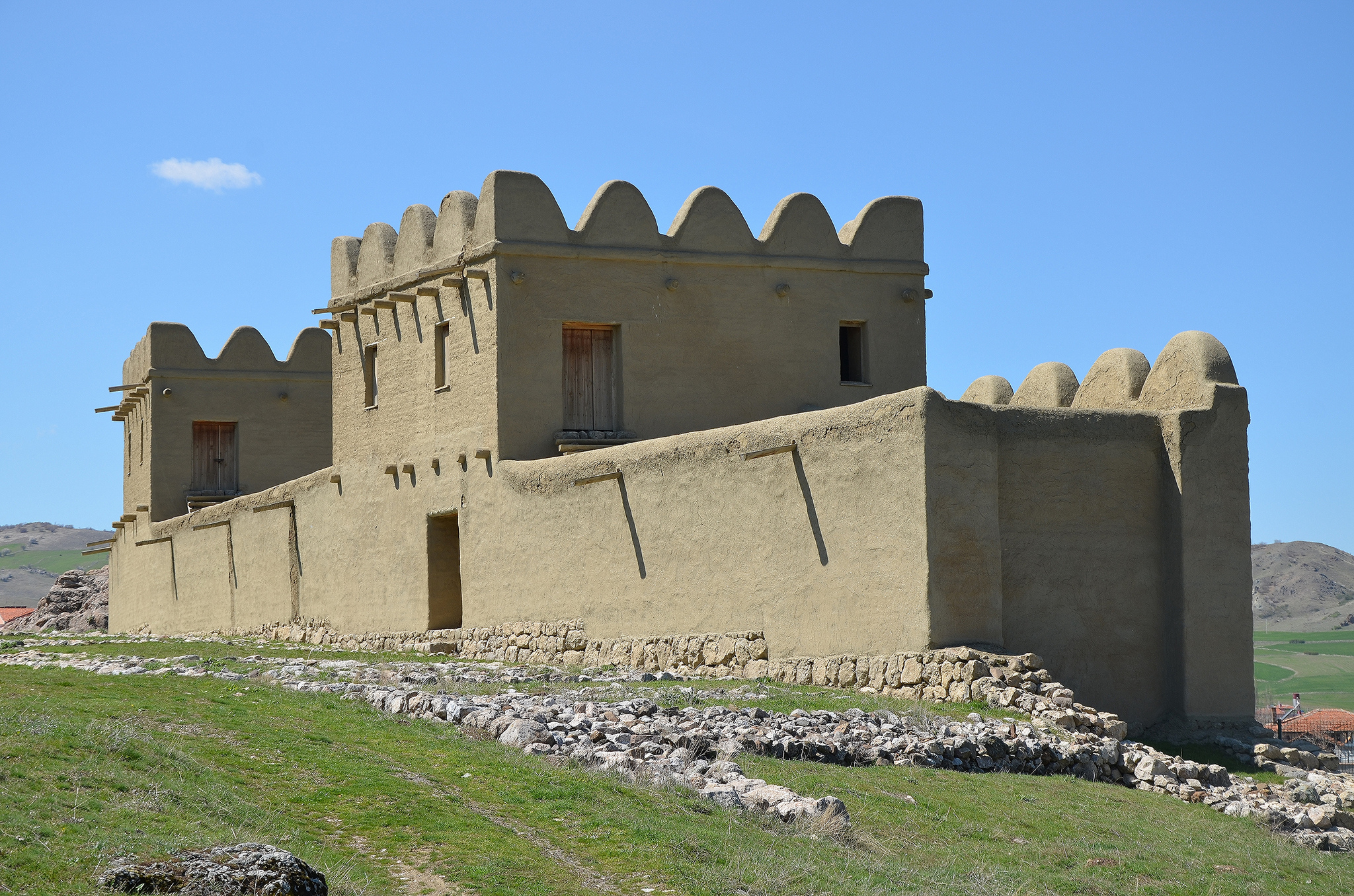
The Hittite Empire dominated Anatolia from approximately 1650 to 1200 BC. The Treaty of Kadesh (1259 BC), between Hittite king Hattusili III and Egyptian Pharaoh Ramesses II, is the earliest known international peace treaty; a replica is displayed at the United Nations headquarters in New York.
Lehmann's Landmark 1953 Paper
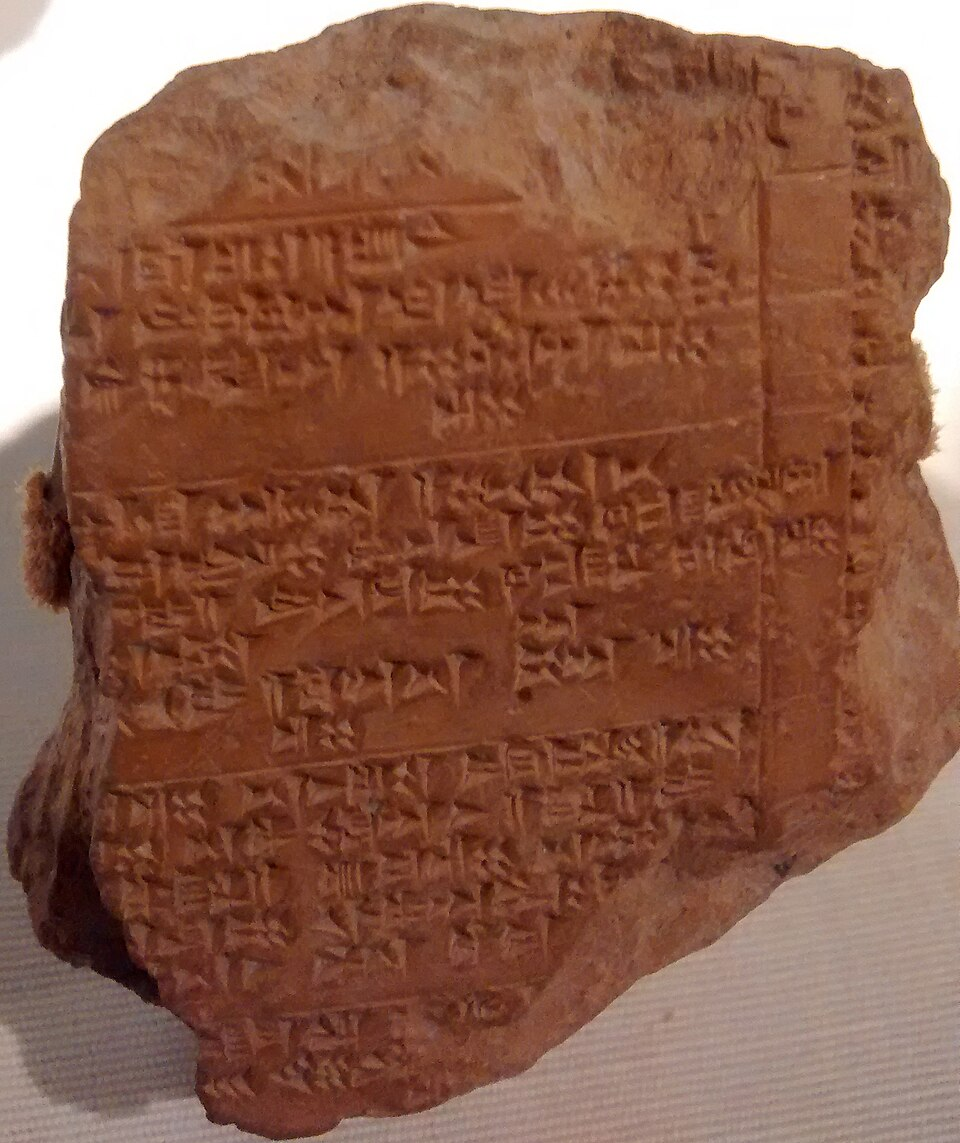
BASOR (Bulletin of the American Schools of Oriental Research), 1953. The first systematic analysis demonstrating the legal parallels between Hittite law and Genesis 23. Subsequently reinforced by Kenneth Kitchen's On the Reliability of the Old Testament (2003), which provides extensive archaeological corroboration for the historical accuracy of biblical texts.
The Hittite Law Code and Genesis 23
| # | Hittite Law / Custom | Genesis 23 |
|---|---|---|
| ① | Land transactions conducted publicly at the city gate, before witnesses | "In the hearing of all who went in at the gate" (vv. 10, 18) |
| ② | Purchasing the whole field transfers all feudal obligations (§46) | Abraham insists on the whole field → full legal title (v. 13) |
| ③ | Payment in weighed silver using the merchant's standard | "At the going rate among merchants" — 400 shekels (v. 16) |
| ④ | Trees explicitly enumerated in land sale documents | "The field and the cave and all the trees" transferred (v. 17) |
| ⑤ | Negotiations open with a nominal gift offer | Ephron: "I give you the field" → demands 400 shekels (vv. 11–15) |
Hittite Law Code §46 — The Text
"If anyone holds a 'gift' field — if the fields are given to him as a complete gift, he shall render the services. If the fields are given to him to a small extent only, he shall not render the services."
"Services" refers to the feudal tax and labour obligations attached to land. Had Ephron merely gifted Abraham the cave, the obligations would have remained with Ephron, leaving Abraham's title legally precarious. By paying for the entire field, Abraham formally assumed all obligations — and with them, uncontested ownership.
What Did 400 Shekels Mean?
Field at Anathoth (Jer. 32:9)
Machpelah field (Gen. 23:16)
Four hundred shekels was dramatically above market value — Ephron almost certainly inflated the price, exploiting Abraham's urgency and foreigner status. Yet Abraham paid without protest. Legally airtight title was worth far more than a better price.
The "Gift → Sale" Pattern: Three Stages
Ephron's negotiating sequence follows a convention documented across the ancient Near East — sometimes called the "fictitious gift" pattern.
In an honor-shame culture, offering land as a gift before a public audience was a conventional act of social prestige — it did not imply actual intent to give. Hittite land documents frequently use the verb "give" for what are plainly commercial transactions, deliberately blurring gift and sale language.
"What is that between you and me?" — Ephron frames the price as trivial, maintaining the pretense that this is more gift than sale. The sum of 400 shekels was dramatically above market rate, but the understated phrasing obscures this.
Abraham's silence on price is not passive acceptance — it is deliberate strategy. Full payment without protest was the surest path to legally unchallengeable ownership in Canaan.
The Amarna Letters Connection
The same linguistic pattern appears in the 14th-century BC Amarna Letters — diplomatic correspondence between Egypt and Babylonia. Kings exchanged substantial material wealth while describing it exclusively as "gifts." The word "trade" was considered beneath royal dignity.
Ephron's negotiation in Genesis 23 sits squarely within this broader cultural framework. The "gift" idiom was not a Hittite peculiarity but a pan-Near Eastern social convention, attested from Egypt to Mesopotamia.
The Legal Seed of Israel's Canaan Claim
"The cave of Machpelah was the first piece of land
in Canaan legally purchased by Israel."
The theological stakes of this transaction extend far beyond a burial plot. Abraham's insistence on paying full price ensured that no future voice could ever argue:
Abraham, Sarah, Isaac, Rebekah, Jacob, and Leah were all interred at Machpelah (Gen. 49:29–32). In this single, carefully negotiated transaction, the legal foundation of Israel's Canaan inheritance was formally laid.
The author of Genesis 23 demonstrates precise knowledge of Hittite legal customs from the second millennium BC — conventions that would have been obscure or inaccessible to a writer centuries later. The five documented parallels between Hittite law and this single chapter constitute a remarkable convergence of archaeological and textual evidence.
The Hittites, once declared a biblical fiction, were real. And the legal world of Genesis 23 has been verified, detail by detail, by the tablets of Hattusa.